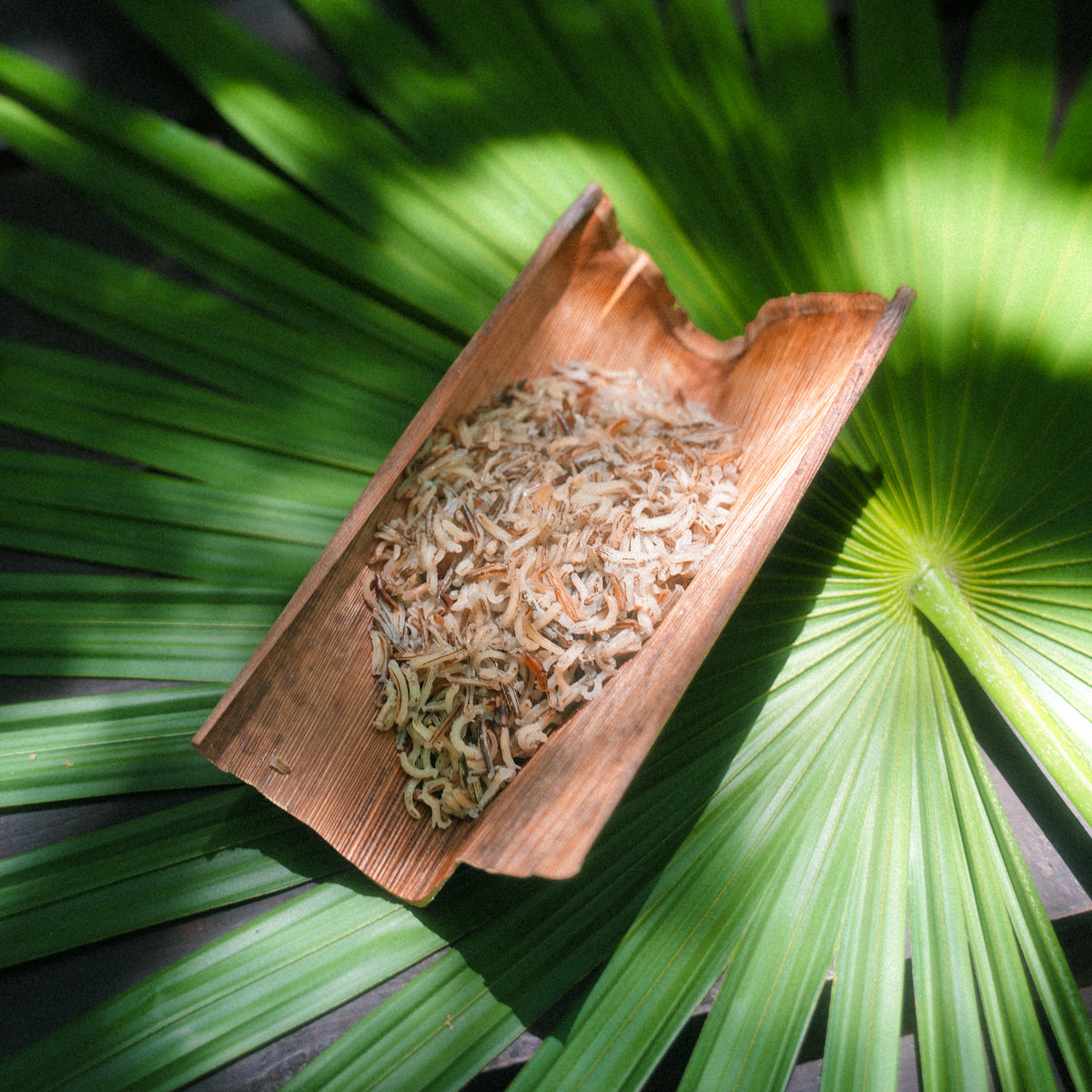
CANADIAN WILD RICE
Species: Zizania palustris


Description
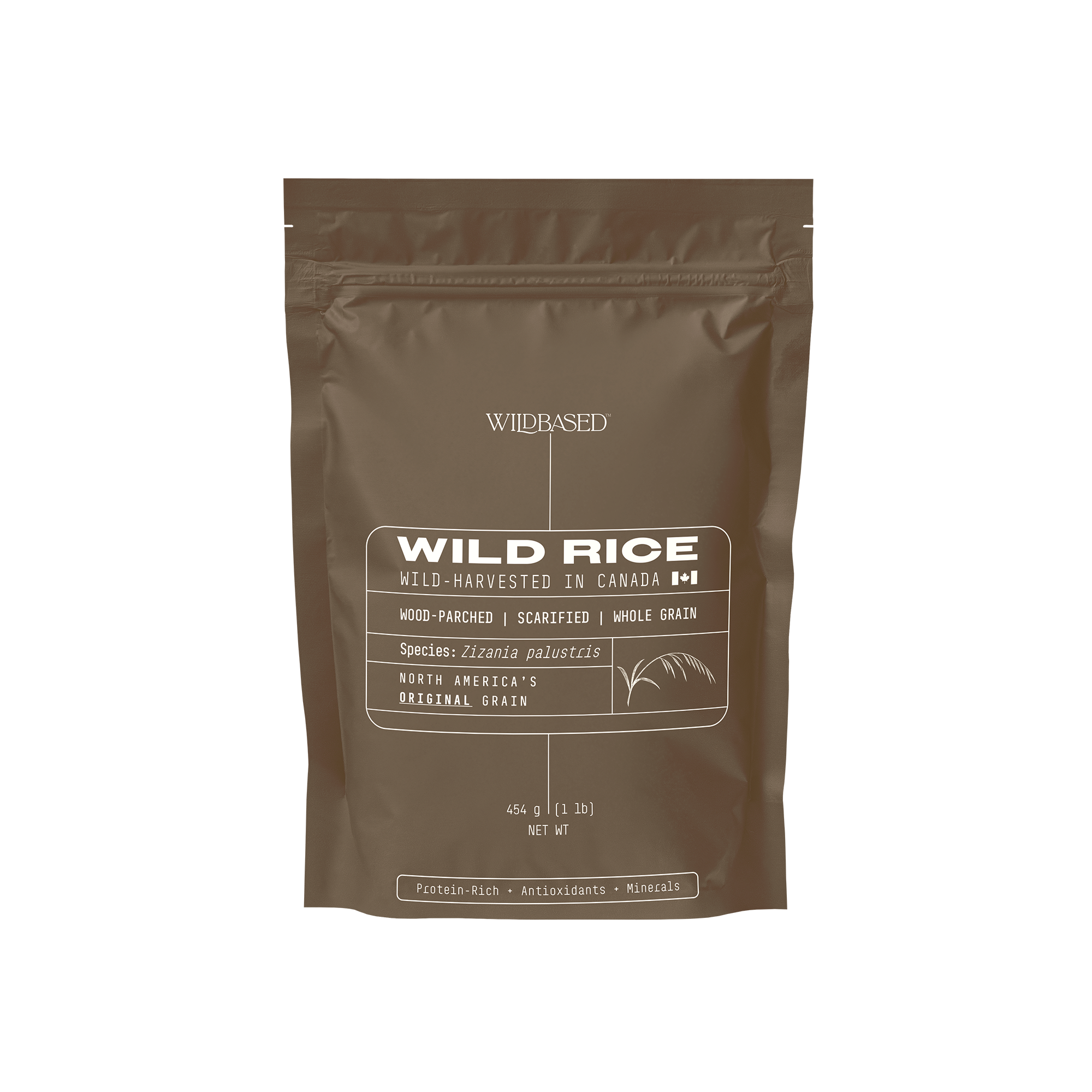
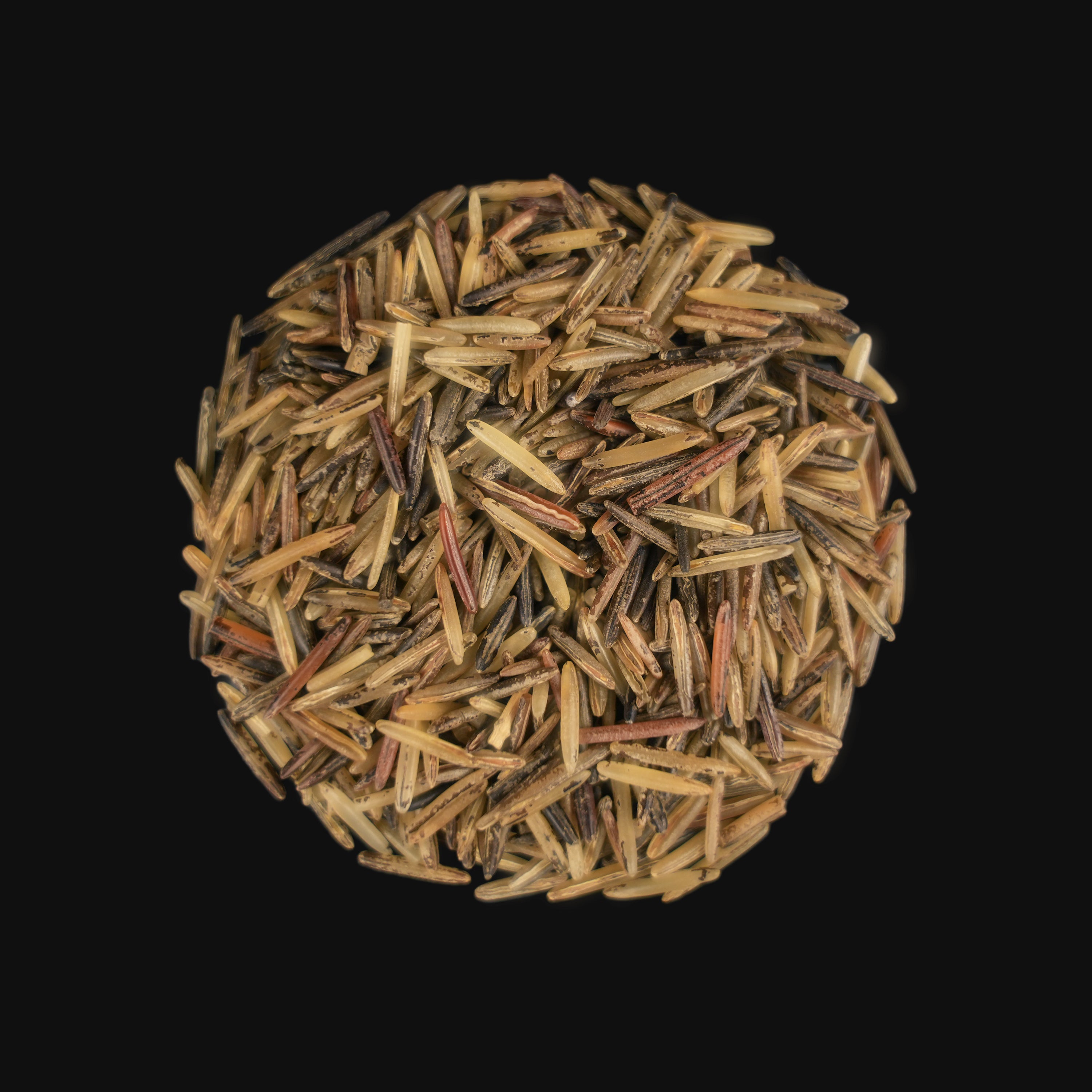
Wild rice is one of North America’s truly wild staple foods, growing naturally in the lakes and waterways of the Great Lakes region of Canada. Unlike conventional grains shaped by agriculture, this native aquatic grass remains rooted in the living ecosystem from which it came, sustained by water, soil, weather, and season.
Every September, the mature grain is harvested at peak maturity using traditional methods. This is a true wild harvest, never sprayed and never fertilized, tended to only by the ecology and the elements in which it thrives. The character of each harvest naturally reflects the conditions of that particular place and season.
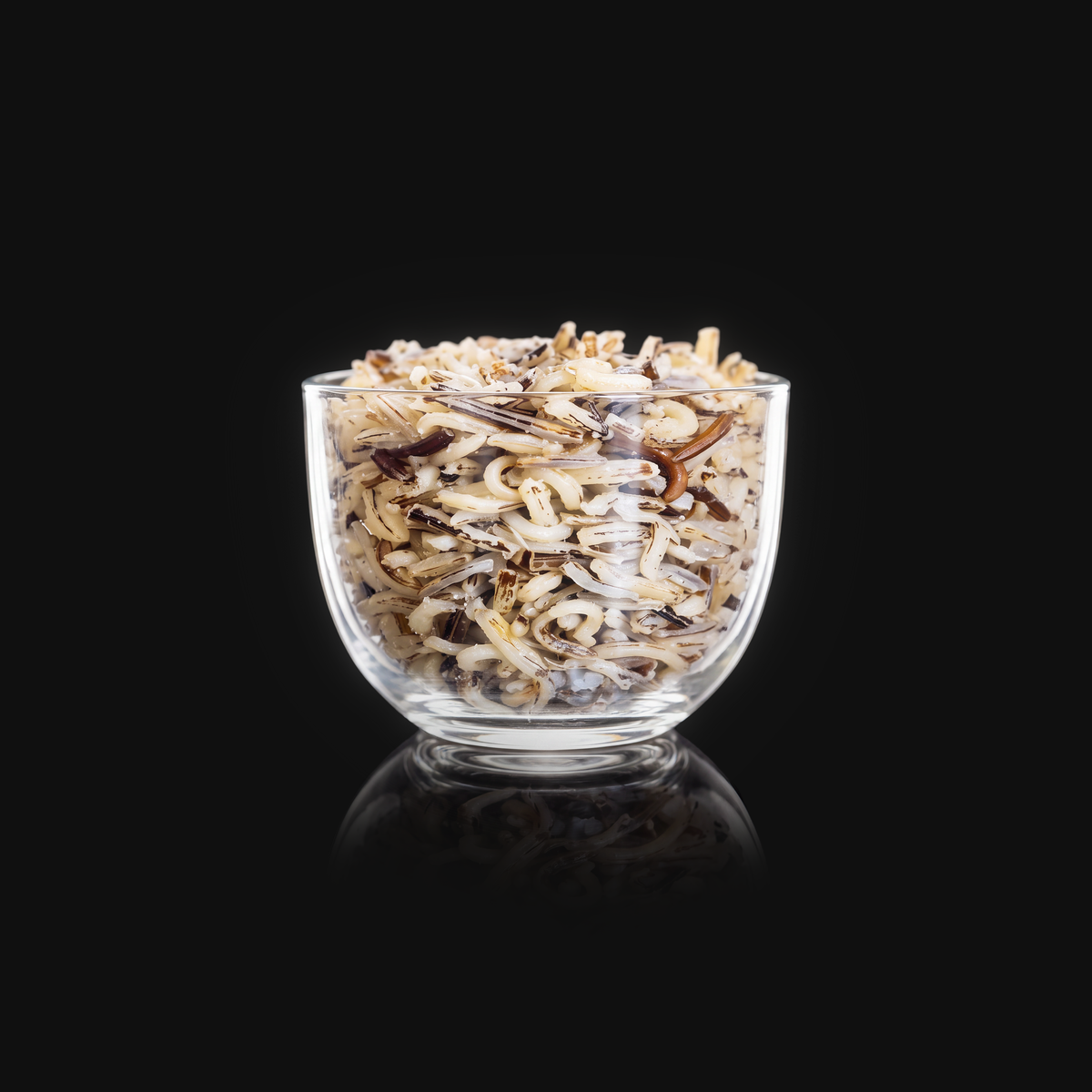
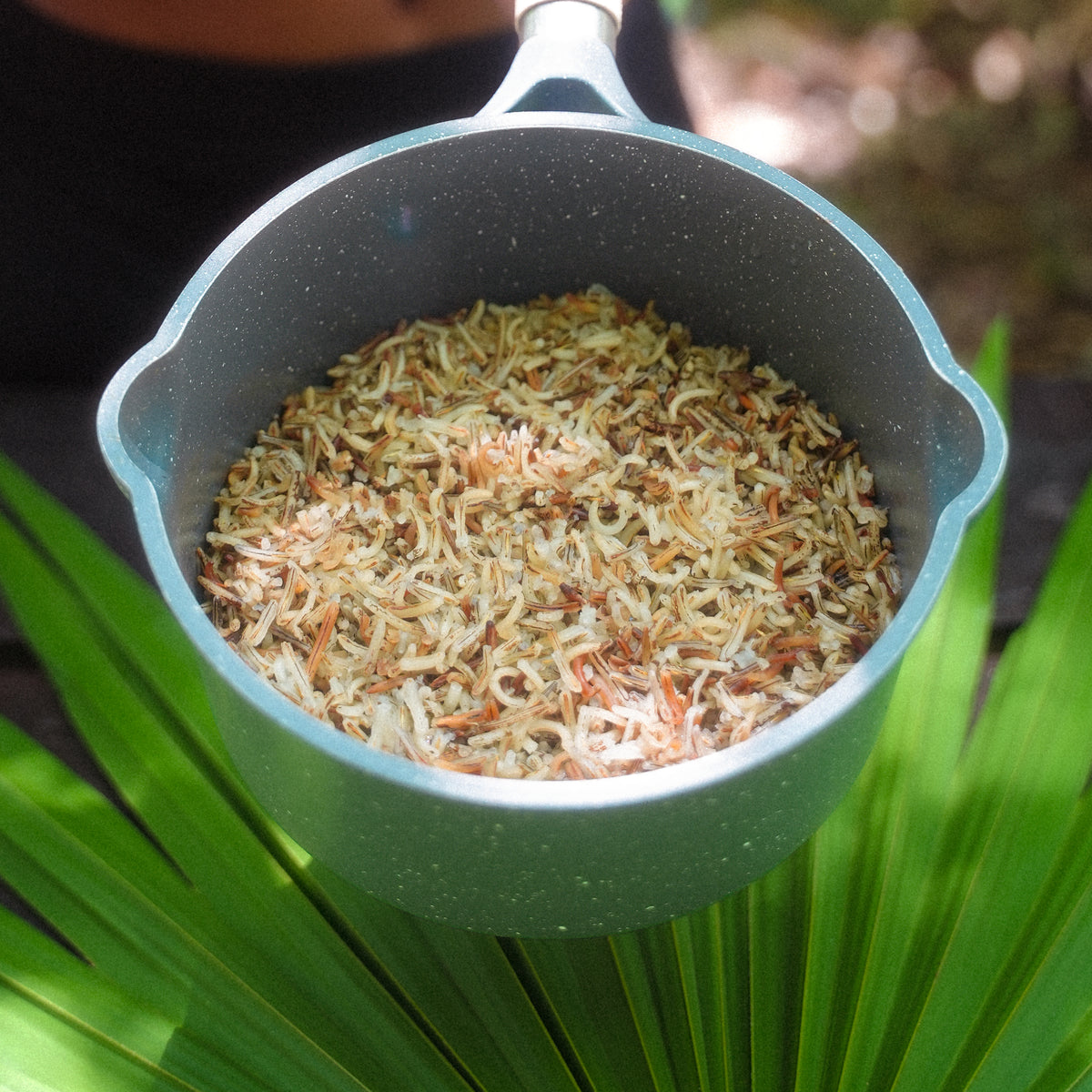
After harvest, the grain is traditionally wood-parched, an age-old method of preservation that also develops its distinctive toasted, subtly smoky flavor. It is then scarified, gently scratching the outer surface to make the grain more permeable to water, allowing it to cook significantly faster while becoming remarkably soft and chewy.
Wild rice is not actually rice, but the seed of an aquatic grass native to North America. With up to three times the protein of white rice, along with minerals and naturally occurring plant compounds, it is a nutrient-dense whole food distinctly different from conventional cultivated grains.
Like other truly wild foods, its qualities cannot be separated from the ecosystem that produced it. Variations in water, weather, season, and the wild stands themselves can create subtle differences in the color, size, texture, and flavor of the grain from one harvest to the next.
Known as manoomin, or “good seed” in Anishinaabemowin, wild rice has nourished Anishinaabe peoples for generations. Its continued presence reflects a profound relationship between people, plant, and place, carried forward through generations of Indigenous knowledge and stewardship.
Manoomin offers something increasingly rare: a food that still exists largely on nature’s terms. A native species growing in its place, gathered from a living ecosystem, and transformed through traditional methods into a staple that connects us back to the landscape from which food comes.
Specs
Directions
Nutrition Facts


SCARIFIED

SOFT & NUTTY


LOW-GLYCEMIC

MORE PROTEIN
| Feature |
The Wildest!
 Wild Based™ Wild Rice
|
 FloatingLeaf Wild Rice
|
 Lundberg Cultivated "Wild Rice"
|
|---|---|---|---|
| Truly Wild Harvested | ✓ | ✓ | ✕ |
| Wood-Parched | ✓ | ✕ | ✕ |
| Scarified | ✓ | ✕ | ✕ |
| Cooks Up Soft & Chewy | ✓ | ✕ | ✕ |
| Exclusively from Great Lakes Region | ✓ | ✕ | ✕ |
| Environmental Impact | Supports Wetland Ecologies | Supports Wetland Ecologies | Agriculture Monocrop |